







Search Results for: brewing tea with hard water
How Water Quality Determines Tea Flavor: A Practical Guide from Hardness to Brewing Temperature
A good cup of tea is seventy percent about the water. Many people focus only on the tea leaves when brewing, overlooking the decisive influence water quality has on flavor. Water hardness, pH, chlorine content, and total dissolved solids all directly affect the clarity and aromatic layers of the tea liquor. Drawing on real-world cases, this article explains why hard water causes iced tea to turn cloudy, how chlorine masks tea aroma, and offers actionable testing and filtration solutions. It also includes target water temperatures and steeping times for the six major tea categories, along with flavor references for common tea varieties. Whether you run a coffee shop or are a tea enthusiast, you'll find practical methods here to improve the consistency of your output. At the end, there's also information about Front Street Coffee's related products, which is worth checking out. [more…]
Songzhong Huangzhixiang Dancong Oolong: Soft Water or Hard Water for Brewing? A Detailed Practical Guide
Whether to use soft or hard water for brewing tea has long been a hotly debated topic among tea lovers. A US study of ordinary consumers showed that although soft water extracts more catechins, participants actually preferred tea brewed with hard water. For highly aromatic oolong teas such as Songzhong Huangzhixiang Dancong, the mineral content in water significantly affects the presentation of aroma and flavor. This article reviews the effects of different water qualities on tea, introduces water treatment methods commonly used in cafes and traditional water conditioning techniques in tea ceremony, and, combined with Front Street Coffee's brewing recommendations, helps you find a water quality and brewing method suitable for Dancong under everyday conditions. [more…]
What Water Should You Choose to Brew Phoenix Dancong? Is Soft Water Suitable for Brewing Oolong Tea? Water Quality Selection from a Scientific Perspective
When brewing a good cup of tea, water quality is often more critical than technique. As early as Lu Yu's "Classic of Tea," spring water was regarded as the finest choice, and modern science has revealed the reasoning behind this through TDS, hardness, and pH values. This article focuses on the brewing water for oolong teas such as Phoenix Dancong, outlines the industry reference values from the American Tea Association, and cites multiple studies to explain why soft water enhances the sweetness, freshness, and clarity of the tea liquor, while hard water brings about astringency and floating residue. For tea lovers who cherish the complex aroma of oolong tea, choosing the right water is the first step in unlocking the tea's charm. Front Street Coffee also recommends starting with low-mineralization soft water to appreciate the subtle variations in the tea's layers. [more…]
An Analysis of the Flavors of Costa Rica's Eight Major Coffee Regions: Tarrazú Bean Pour-Over Performance and Front Street Coffee Musician Series Recommendations
Costa Rica is hailed as the sweetest coffee-producing origin in the Americas, and its eight major regions each have their own distinct character, with Tarrazú renowned for its high-altitude, extremely hard beans. Front Street Coffee's Musician Series — Mozart, Beethoven, and Bach — all come from Canet Estate, showcasing floral and fruity aromas and a sweet cup profile through different processes such as honey processing, raisin honey processing, and washed processing. This article systematically maps out the distribution of Costa Rica's producing regions, explains in detail the difference between honey processing and raisin honey processing, and includes Front Street's brewing parameters and a flavor comparison of the three beans, giving you a comprehensive look at the allure of Tarrazú coffee. [more…]
Common Misconceptions About Brewing Black Tea: Strong Tea Is Not the Same as Long Steeping—Get the Leaf-to-Water Ratio Right to Enjoy Great Flavor
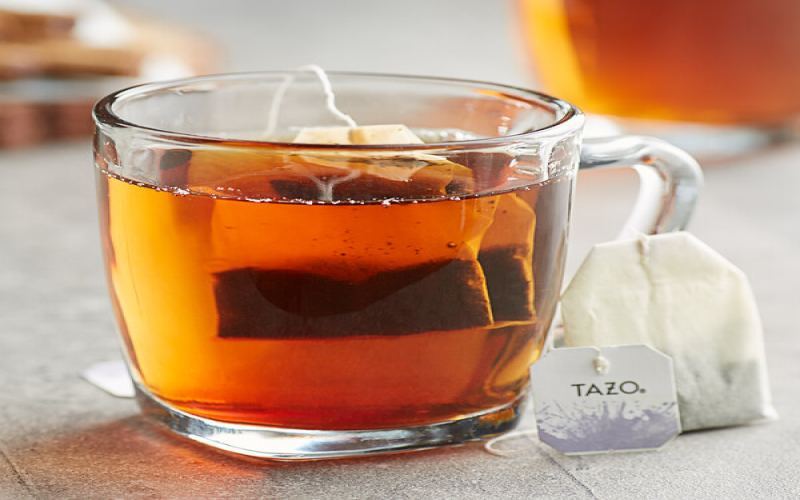
Many people think that the longer tea is steeped, the stronger it becomes, but what they end up with is a bitter, undrinkable cup of tea. A truly strong cup of tea should be achieved by increasing the amount of tea leaves used, not by endlessly extending the steeping time. Starting from the definition of strong tea, this article explains why prolonged steeping makes tea bitter, the role that tannins play in this process, and offers reasonable leaf-to-water recommendations for both weak and strong tea. If you are also in the habit of steeping a small pinch of tea leaves for over ten minutes, it may be worth considering a more scientific approach to brewing. Front Street Coffee also suggests that for a cup of strong yet smooth black tea, adjusting the amount of tea is more effective than adjusting the time. [more…]
A Beginner's Guide to Guatemalan Huehuetenango Washed Coffee Beans: The Choice of Central American Strictly Hard Bean
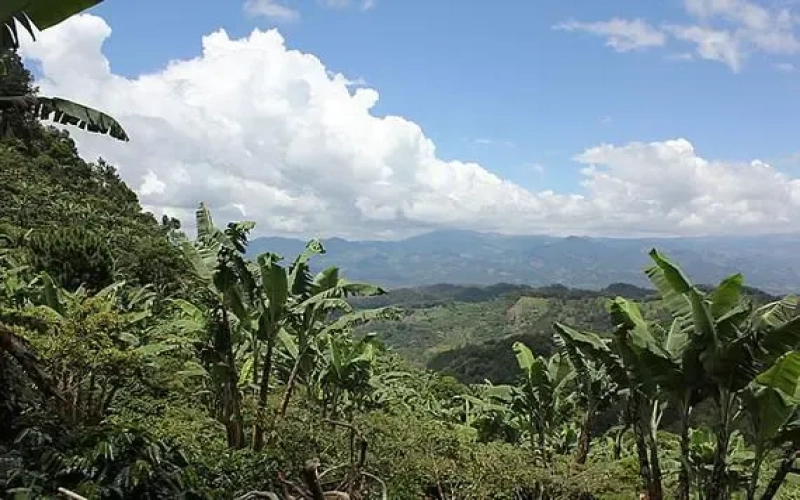
Guatemala is an important specialty coffee-producing country in Central America, known for its high-grown Strictly Hard Bean. The country is home to volcanic geology, tropical rainforests, and diverse microclimates, giving rise to coffees with elegant acidity, a clean mouthfeel, and rich layering. Among its many producing regions, the non-volcanic Huehuetenango stands out in particular, where high altitude and unique terroir protect the coffee from frost and create flavors woven with citrus, berries, nuts, and tea-like notes. This article will outline Guatemala's geography and producing regions, introduce the three major varieties Bourbon, Caturra, and Catuai, and present Front Street Coffee's entry-level selection of Huehuetenango washed coffee beans, along with brewing recommendations. [more…]
Yirgacheffe Brewing Guide: Flavor Profile, Causes of Light Roast Clogging, and a Four-Pour Practical Method
Yirgacheffe is one of Ethiopia's most recognizable regions, where high altitude and the washed process together shape its classic flavor profile centered on citric acidity, white florals, and a green tea finish. Yet many coffee enthusiasts always run into two problems when brewing: first, the filter paper clogs easily, and second, it is hard to brew that clear, clean "Yirgacheffe taste" they remember. From Front Street's perspective, this article first clarifies the origins of Yirgacheffe's flavor and its regional background, then analyzes the root causes of why light-roasted, high-density beans clog the filter paper and extract unevenly during brewing, and finally uses washed Gudingding as an example to fully demonstrate a practical approach with high water temperature, fine grind, and four small pours, helping you consistently recreate a bright, refreshing cup of Yirgacheffe. [more…]
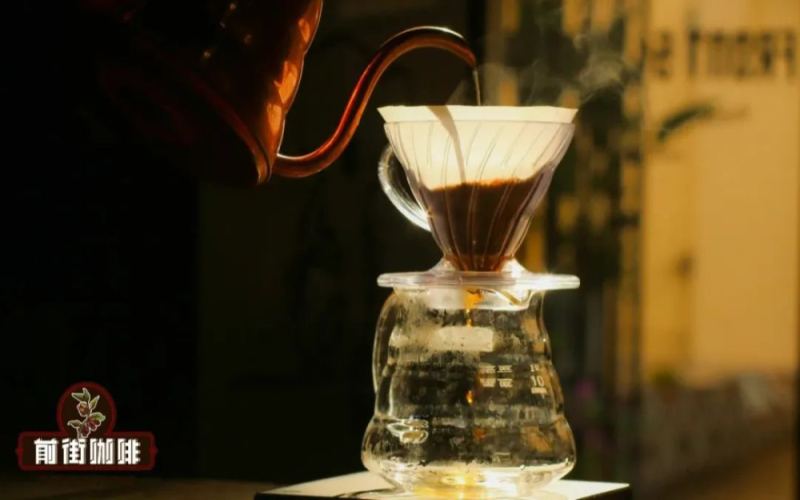
Which type of bottled water is more suitable for brewing coffee? A practical comparison and selection approach for mineral water vs. mountain spring water
Water is the largest component of black coffee and directly participates in and influences the extraction process, so differences in water quality often bring about completely different flavor expressions. There are many types of bottled water on the market, with prices ranging widely from high to low, and whether more expensive water is more suitable for brewing coffee has become a question for many brewing enthusiasts. This article uses two types of bottled water with明显 price differences as test subjects, and adds Nongfu Spring, commonly used in stores, as a control, conducting blind tasting comparisons with two coffees, Yirgacheffe Red Cherry and Diamond Mountain. At the same time, from the perspectives of acidity and alkalinity, softness and hardness, TDS, and calcium and magnesium ions, it explains the principles by which water quality affects extraction, helping coffee enthusiasts understand how to choose more suitable water for brewing coffee. [more…]
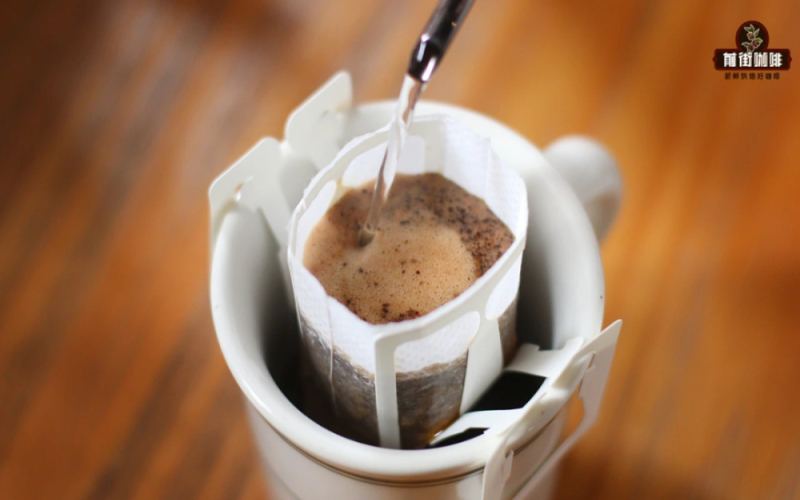
The essential difference between drip bag coffee and instant coffee, the production principle of drip bags, and key points for proper brewing
Drip bag coffee has become deeply embedded in many people's daily lives thanks to its portability, yet misconceptions surrounding its use are quite common. Some people treat it like a tea bag and steep it directly, some use it as if it were instant coffee, and others pour a kettle of hot water in a rush, causing the coffee grounds to overflow. What consequences do these actions actually bring? And how did drip bag coffee evolve from a single-ear design to a double-ear one? This article will start with the origins of drip bag coffee's invention, break down four common incorrect practices one by one, and explain the correct brewing approach. At the same time, it compiles the flavor characteristics of five seasonal drip bag coffees from Front Street Coffee for reference when making a purchase. [more…]

Drinking Water Quality | What Kind of Water Is Suitable for Pour-Over Coffee? Which Water Factors Affect Coffee Extraction? How Can Coffee Beginners Choose Drinking Water for Brewing Coffee?
As the primary raw material, water not only makes up the vast majority of a cup of black coffee, but also influences the extraction of different substances, thereby producing distinct flavors and mouthfeel. Therefore, all of us should understand the importance of water to coffee. Common drinking water on the market varies from brand to brand, in the ingredients it contains, and in its purification processes. [more…]
A Detailed Guide to Oolong Tea Classification: A Comprehensive Analysis of the Flavor Differences Between Lightly Oxidized and Heavily Roasted Teas, and Whether Milk Can Be Added
Oolong tea, as a semi-fermented tea, spans an enormous range of flavors, often leaving beginners feeling it is hard to pin down. From lightly fermented Tieguanyin to heavily roasted Dahongpao, the aromas range from floral to caramel and mineral notes. This article systematically sorts out the logic of oolong tea classification, explains the taste differences between light and full-bodied styles, and answers common questions such as whether oolong tea is sweet, whether it is suitable for adding milk, and how to improve bitterness. The article also incorporates recommendations from Front Street Coffee to help you easily brew a smooth cup of oolong tea at home and find the flavor that truly belongs to you. [more…]

A Complete Guide to the Classification of Hard Beans, Soft Beans, Flat Beans, and Round Beans: Flavor Characteristics of High-Grade Panamanian Coffee
Beyond varietal differences, coffee beans have multiple classification dimensions, which gives rise to many alternative names. This article begins with the appearance-based classification of flat beans and round beans, and focuses on answering the question coffee enthusiasts often ask: what exactly does "hard bean" mean? It originates from a grading system in Central American growing regions that classifies bean hardness by cultivation altitude—the higher the altitude, the greater the density and the higher the grade. The article also shares how to judge bean hardness by feel, the roasting and brewing strategies corresponding to coffee beans of different hardness, and uses actual brewing parameters as examples to illustrate the differences in extraction between high-hardness light-roasted beans and low-hardness dark-roasted beans, helping readers find a suitable brewing approach. [more…]
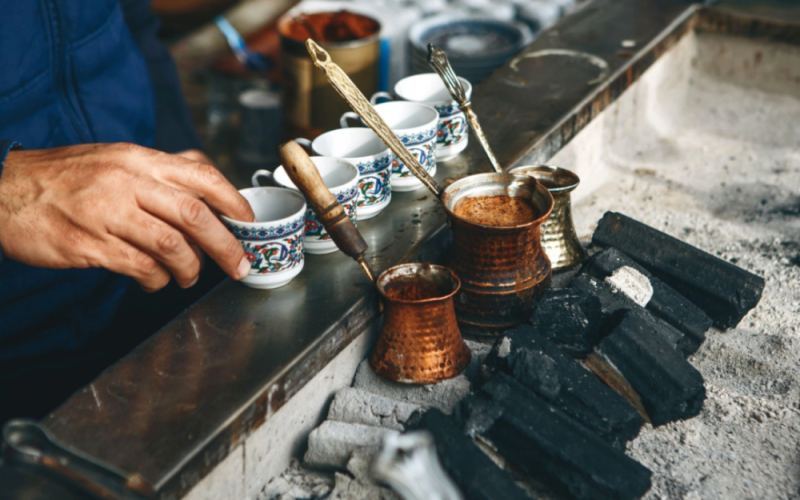
Why Does Turkish Coffee Always Brew Up a Full Pot? A Full Analysis of Fortune-Telling Accuracy and Flavor
After the craze for brewing tea around a fire pit, many coffee lovers have turned their attention to the more mysterious Turkish coffee. Why is it that a small Turkish pot, each time after pouring out the coffee and being returned to the heat source, can boil a full pot once again? Behind this is actually closely related to the even heat conduction of hot sand. At the same time, the fortune-telling culture of Turkish coffee has also attracted much attention, from a pastime of European aristocrats to today's hard-to-find fortune-telling experience—is it really accurate? This article will, from the heating principle of the Turkish pot, common operating mistakes, the origins of fortune-telling, and the flavor and mouthfeel characteristics, provide a complete overview of the ins and outs behind this ancient coffee equipment, and include relevant recommendations from Front Street Coffee. [more…]

The Complete Guide to Home Coffee Brewing: A Guide to Buying and Using Pour-Over, AeroPress, Moka Pot, and Other Brewing Equipment
Wanting to enjoy a satisfying cup of coffee at home actually isn't that hard—it all comes down to your daily drinking habits and how much you're willing to spend. Coffee, at its core, is a beverage, as close to everyday life as tea; going to a café is often just for that one cup of satisfaction. So does making coffee at home really require buying expensive equipment? And how should you choose the brewing method that suits you? This article sorts through common options such as pour-over, Clever Cup, AeroPress, moka pot, French press, Chemex, and various home coffee machines, and includes Front Street Coffee's equipment and bean recommendations for you to choose from as needed. [more…]
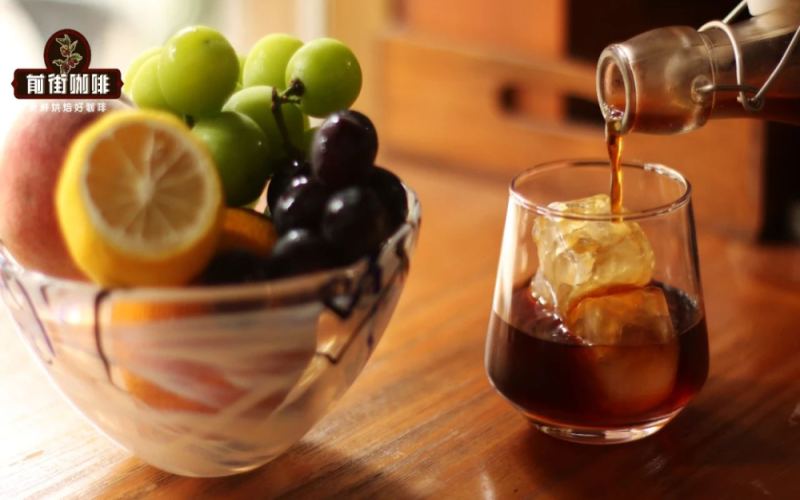
Cold Brew Coffee Recipe | Which single-origin coffee beans are suitable for cold brew? What are the taste differences between cold brew coffee, cold brew coffee, and iced pour-over coffee?
As soon as summer arrives, for coffee lovers, nothing is better than a refreshingly icy cold coffee. If you reject high calories, care about mouthfeel and lingering finish, and love to explore and try new things, in summer you can try the goddess-level drinks in the iced coffee world, "Ice Drip Coffee" and "Cold Brew( [more…]

A Comprehensive Guide to Costa Rican Specialty Coffee: Honey Processing, the Tarrazú Region, and a Flavor Comparison of the Musician Series
Costa Rica is known as the sweetest coffee-producing region in the Americas, and its honey processing methods combined with the high-altitude terroir of Tarrazú give rise to distinctly unique specialty coffee. The Musician Series launched by Front Street Coffee—Mozart, Beethoven, and Bach—is precisely a flavor representative of this region. This article will begin with the classification and principles of honey processing, outline the layout of Costa Rica's eight major producing regions, focus on introducing the cultivation background of Canet Estate, and analyze one by one the varieties, altitudes, processing methods, and flavor characteristics of the three Musician Series coffees. At the same time, it includes Front Street brewing parameters and tasting comparisons to guide you through a systematic understanding of the complete thread of Costa Rican coffee from processing method to flavor in the cup. [more…]
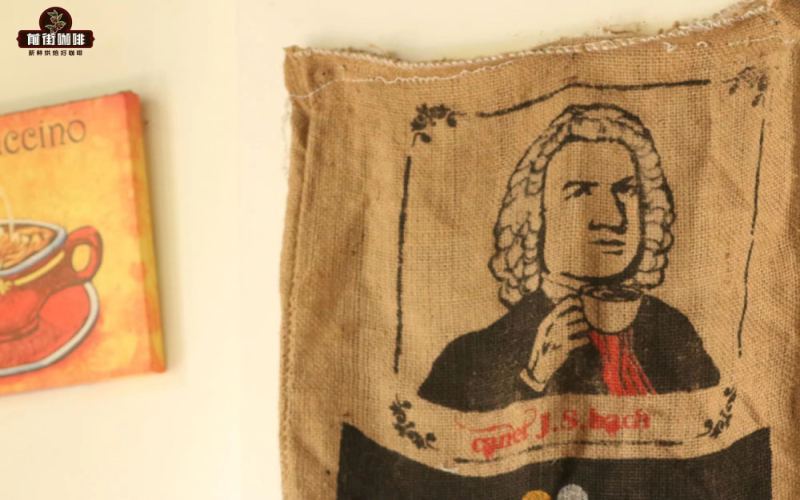
A Detailed Guide to Costa Rica's Musician Series Coffee: Tracing the Origins of the Mozart Bean Variety and Pour-Over Parameters
Costa Rican coffee is renowned for its prominent sweetness, bright acidity, and smooth mouthfeel, and the Musician Series from Canet Estate is particularly special. This article will systematically review the flavor characteristics of four Front Street Coffee beans—Mozart, Bach, Beethoven, and Chopin—and provide an in-depth analysis of Canet Estate's growing conditions, the SHB (Strictly Hard Bean) grading standard, and the origins of the three major varieties: Caturra, Catuai, and H1. At the same time, the article will break down the specific processes of raisin honey processing and washed processing, helping you understand the craft logic behind the flavor differences in the Musician Series and providing a reference for choosing Front Street Coffee beans that suit your own taste. [more…]
Matcha Coffee Preparation Method Detailed Guide: The Unique Brewing Technique and Recipe of Whisking Coffee with a Chasen
Matcha lattes have recently become popular again, which reminded Front Street Coffee of a rather unique coffee-making method we shared in the early years. The inspiration for this method comes from matcha preparation in Japanese tea ceremony: using a chasen to beat the coffee liquid until it produces a dense foam, thereby enhancing the aroma and mouthfeel. Its creator was not a professional barista, but the actor Hiroshi Fujioka. While traveling the world, he was inspired by coffees from various places, and after returning home, inspired by his mother's tea ceremony, he incorporated the whisking technique into coffee making. This article will give a complete introduction to this distinctive method: from matcha basics, bean selection, and brewing parameters to whisking techniques and tasting comparisons, along with Front Street Coffee's hands-on experience and suggestions, suitable for coffee lovers to try in their spare time. [more…]
Front Street Coffee
Costa Rica has always been famous for its sweetness, and the Musician Series on Front Street Coffee's bean list pushes that sweetness to the extreme. This series mostly uses honey processing and has been described by customers as "floral and fruity aromas, sweet as honey." This article will start with the principles of honey processing, outline the background of Canet Estate, introduce one by one the growing regions, varieties, altitudes, processing methods, and flavor differences of the three beans Mozart, Beethoven, and Bach, and include Front Street Coffee's V60 brewing parameters and actual tasting notes. Finally, it will also mention the Blueberry Bean from the Brunca region as a supplementary option. Whether you want to understand the characteristics of Costa Rica's growing regions or want to try the Musician Series for comparison, you will find useful information in this article. [more…]
An Analysis of Costa Rica's Eight Major Coffee Regions: Front Street Coffee Musician Series Mozart, Beethoven, and Bach Pour-Over Flavor Comparison and Recommendations
Costa Rica is renowned for its honey processing and is called by many coffee lovers the sweetest producing region in the Americas. Front Street Coffee's Musician Series—Mozart, Beethoven, and Bach—all come from Hacienda Canet in the Tarrazú region, yet present completely different flavors due to differences in variety, altitude, and processing method. This article systematically reviews Costa Rica's eight major producing regions, explains the difference between honey processing and raisin honey processing, and introduces one by one the regional information, flavor characteristics, and pour-over performance of the three beans, with Front Street's brewing parameters and tasting notes attached. It is suitable for enthusiasts who want to gain a deeper understanding of Costa Rican coffee. [more…]